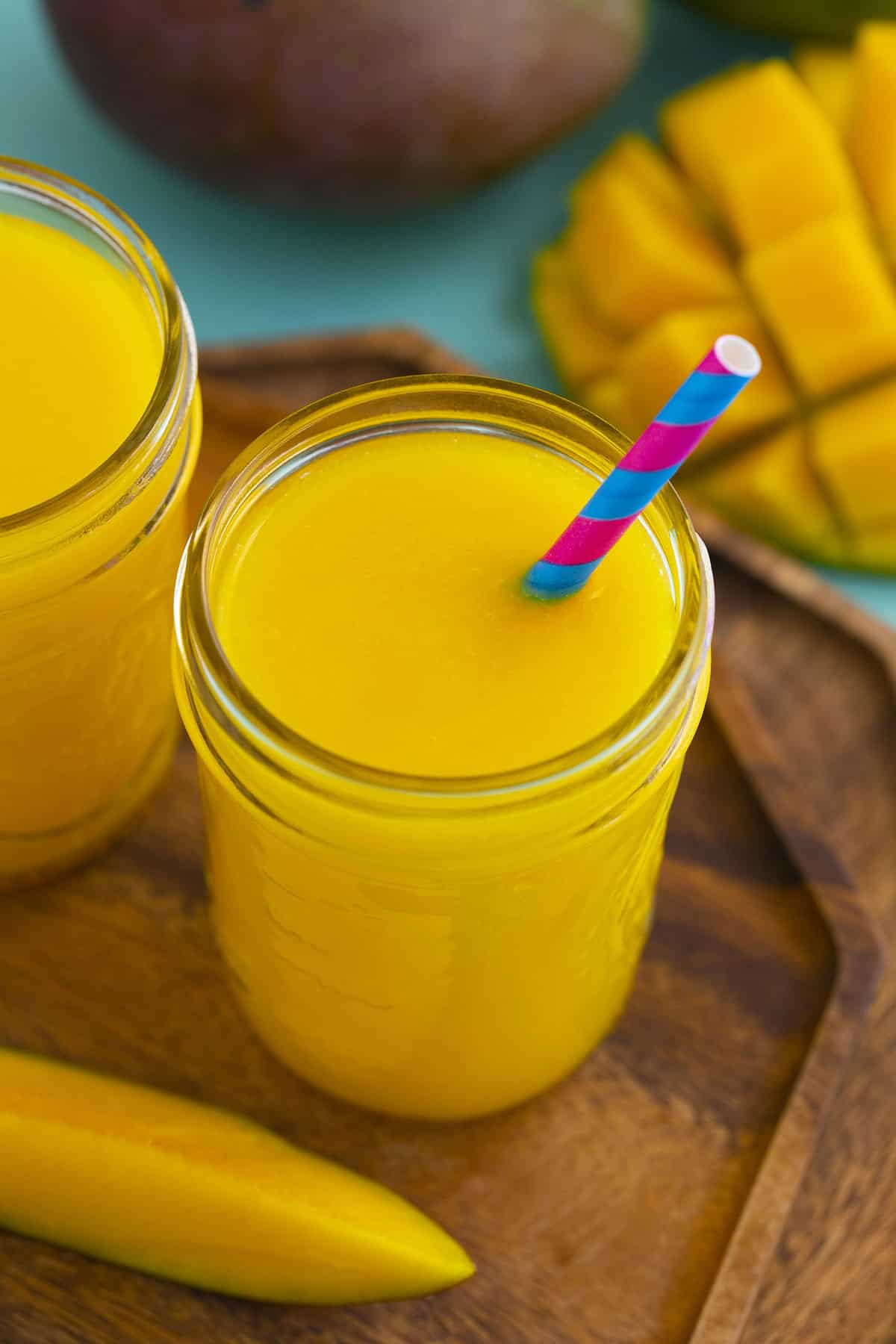
Imagine a golden, sun-kissed glass of pure tropical bliss, brimming with the sweet, tangy essence of fresh mangoes. Now imagine achieving that perfect sip in minutes, without a bulky, hard-to-clean juicer taking up precious counter space. Sound too good to be true? Not at all! This comprehensive guide will show you how to make mango juice using just your trusty blender and a few simple ingredients, proving that delicious, homemade refreshment is always within reach.
Many fruits are ideal candidates for a traditional juicer, but the glorious mango is a unique exception. Its soft, pulpy flesh can clog juicers and leave you with more waste than juice. This is precisely where your blender shines, effortlessly transforming whole mangoes into a luscious, smooth beverage. Not only is it incredibly easy, but making your own mango juice ensures you get a healthier, tastier drink, free from the artificial flavors and excessive sugars often found in store-bought versions. It’s a delightful way to capture the essence of summer, no matter the season, and a fantastic method to utilize ripe mangoes before they go to waste.
Why Your Blender is the Ultimate Mango Juice Machine
When it comes to crafting the perfect mango juice, traditional juicers often fall short. Mangoes are inherently different from many other fruits like apples or oranges; their texture is incredibly fibrous and soft, making them notoriously difficult to process in a centrifugal or masticating juicer. These machines tend to struggle with the pulp, leading to wasted fruit and a frustrating clean-up. Your blender, however, is perfectly designed for this task.
A blender embraces the mango's natural creaminess, pulverizing the entire pulp (minus the skin and pit, of course!) into a smooth, thick liquid. This not only maximizes the yield from each fruit but also retains all the beneficial fiber and nutrients that might otherwise be discarded by a juicer. The result is a richer, more satisfying "nectar" consistency that feels incredibly luxurious. Plus, the clean-up is usually a breeze compared to disassembling a multi-part juicer. This method is truly a game-changer for anyone looking to enjoy fresh mango juice without the fuss.
Beyond the practical advantages, opting for homemade mango juice offers significant health benefits. Store-bought juices are frequently loaded with added sugars, preservatives, and artificial flavors that detract from the fruit's natural goodness. By making your own, you control every ingredient, ensuring a pure, all-natural drink. You can even enjoy a truly Homemade Mango Juice: Healthier, Tastier, No Added Sugar Needed simply by choosing perfectly ripe mangoes.
Choosing the Perfect Mangoes and Essential Ingredients
The secret to exceptional mango juice begins long before you hit the blend button. It starts with selecting the right mangoes and understanding how a few simple ingredients can elevate your drink.
Picking Your Mangoes: A Guide to Sweet Success
The quality of your mangoes directly impacts the flavor of your juice. For the sweetest, juiciest results, always opt for ripe, non-fibrous varieties. Here’s what to look for:
- Aroma: A ripe mango will emit a sweet, fruity fragrance around its stem.
- Feel: Gently squeeze the mango. It should have a slight give, similar to a ripe avocado or peach. Avoid rock-hard mangoes (underripe) or those that are too soft or mushy (overripe).
- Color: While color can be an indicator, it’s not always the best guide as some varieties remain green even when ripe. However, a vibrant, rich color often signifies good quality.
- Variety Matters: The best mangoes for juicing often depend on your region.
- In India, Kesar and Alphonso mangoes are prized for their intense sweetness and non-fibrous pulp.
- In the US, Ataulfo (also known as Champagne or Honey mango) is an excellent choice due to its smooth texture and rich flavor. Imported Kesar mangoes are also fantastic if available.
- In the UK, imported Alphonso mangoes are a popular and reliable option.
- Avoiding Fibrous Mangoes: Some mango varieties can be quite fibrous, leaving stringy bits in your juice. While a powerful blender can mitigate this, choosing a less fibrous type (like those mentioned above) will give you the smoothest result.
The Supporting Cast: Water and Optional Sweeteners
While mangoes are the star, these other ingredients play crucial supporting roles:
- Water: This is your primary diluent. Filtered or tap water works perfectly to achieve your desired consistency. It transforms the thick mango pulp into a drinkable juice while keeping the flavor purely mango. You can adjust the amount to make your juice thicker (less water) or thinner (more water).
- Coconut Water: For an added tropical twist and a subtle nutty sweetness, swap out some or all of the regular water for coconut water. This can also enhance the natural sweetness without needing extra sugar.
- Sweetener (Optional): If your mangoes aren't quite sweet enough, or you prefer a sweeter "nectar" style juice, you can add a touch of sweetener. Liquid sweeteners blend seamlessly:
- Maple Syrup or Agave Nectar: Start with 1-2 tablespoons and adjust to taste.
- Simple Syrup: If using granulated sugar or a sugar-free alternative, quickly dissolve it in a small amount of hot water to create a simple syrup before adding to the blender. This prevents grittiness.
Mastering the Blend: Your Step-by-Step Guide to Mango Juice
Now that you've selected your perfect mangoes, let's turn them into a refreshing glass of juice. The process is incredibly straightforward:
- Prepare Your Mangoes: Wash your ripe mangoes thoroughly. Carefully peel the skin using a peeler or a sharp knife. Once peeled, cut the flesh away from the large, flat pit. Chop the mango flesh into smaller chunks (about 1-2 inches) to help your blender process it more easily.
- Combine Ingredients: Transfer the chopped mango flesh to your blender. Add a starting amount of water (or coconut water). A good starting ratio is about 1 part water to 2-3 parts mango, but this is highly adjustable based on your desired thickness. If you're adding optional liquid sweeteners, now is the time to add them.
- Blend Until Smooth: Secure the lid on your blender and blend on high speed until the mixture is completely smooth and free of any lumps. This typically takes 30-60 seconds, depending on your blender's power.
- Adjust Consistency: Pour a small amount into a glass to check the consistency. If it's too thick for your liking, add a little more water (or coconut water) and blend again until you reach your preferred texture. Remember, mango juice tends to be naturally thicker than many other fruit juices, giving it a luxurious, nectar-like feel.
- Taste and Sweeten (Optional): Give your juice a taste. If it's not sweet enough for your preference, add a bit more sweetener (if using) and blend briefly to incorporate.
- Serve Chilled: For the ultimate refreshment, serve your mango juice immediately over ice. Garnish with a fresh mint sprig or a slice of lime for an extra touch of elegance.
This simple method proves that making Easy Blender Mango Juice: 2 Ingredients, 5 Minutes to Refreshment is truly achievable, providing a quick and delightful beverage any time you crave a taste of the tropics.
Elevate Your Sip: Creative Variations and Pro Tips
While a basic mango juice is absolutely delicious on its own, a few simple additions and expert tips can transform it into an extraordinary culinary experience.
Unleash Your Inner Mixologist: Exciting Add-ins
Mango is a versatile fruit that pairs wonderfully with a variety of flavors. Don't be afraid to experiment!
- A Citrus Burst: A splash of fresh lemon juice or lime juice (start with 1-2 teaspoons) added before serving can brighten the mango's natural sweetness and add a delightful tang, making the flavor pop even more.
- Exotic Spices: Just a tiny pinch of warming spices can add incredible depth. Cardamom powder complements mango beautifully, offering a fragrant, slightly sweet note. A small amount of ginger powder or a tiny sliver of fresh ginger root adds a zesty, spicy kick that's incredibly invigorating. Add very sparingly and increase to taste.
- Fragrant Rosewater: For a truly unique and aromatic experience, stir in a quarter to half a teaspoon of food-grade rosewater after blending. It imparts a delicate floral perfume that is particularly popular in Middle Eastern and Indian mango beverages.
- Fresh Mint Leaves: A few fresh mint leaves, muddled and stirred into your finished juice, provide a refreshing coolness and a lovely aromatic contrast to the mango's sweetness.
- Nutrient Boost with Chia Seeds: Mango juice is already naturally thick, but if you desire an even richer texture and an added nutritional punch, stir in a tablespoon of chia seeds after blending. Let it sit for 10-15 minutes to allow the chia seeds to swell and create a thicker, pudding-like consistency.
- Fruit Blends: Experiment by blending mango with other fruits like pineapple, papaya, or even a few berries for a multi-fruit sensation.
Expert Tips for the Best Mango Juice Every Time
- Chill for Perfection: While you can add ice, the best mango juice is made with well-chilled mangoes and/or water. This results in a thick, cold beverage that won't get watered down by melting ice too quickly. If your mangoes aren't cold, you can blend with a few ice cubes.
- Serving Suggestions: Beyond a simple glass, mango juice is fantastic for mocktails, cocktails (e.g., with rum or vodka), or as a base for smoothies. You can also freeze it into popsicles for a healthy summer treat.
- Storage: Freshly made mango juice is best enjoyed immediately. However, you can store it in an airtight container in the refrigerator for up to 2-3 days. Stir well before serving as some separation might occur. For longer storage, freeze it in ice cube trays or freezer-safe containers for up to a month.
- Using Frozen Mangoes: Don't limit yourself to fresh mango season! Frozen mango chunks are an excellent year-round alternative. They often add an even thicker, colder consistency, sometimes requiring a little more liquid to blend smoothly. Just ensure they are pure mango without added sugars.
- Canned Mango Pulp: In a pinch, high-quality canned mango pulp (often found in Indian or Asian grocery stores) can be used. It's usually already sweetened, so adjust your water and any additional sweetener accordingly.
- Adjusting for Fibrous Mangoes: If you accidentally use a slightly fibrous mango, a high-powered blender can still process it well. For extra smoothness, you can strain the juice through a fine-mesh sieve or nut milk bag after blending, though this will remove some of the beneficial fiber.
Making your own mango juice is a rewarding experience that combines simplicity with immense flavor. By embracing your blender, selecting the right mangoes, and playing with optional add-ins, you unlock a world of tropical refreshment that is far superior to anything store-bought. So, next time you're craving a taste of sunshine, remember: your perfect mango juice is just a blend away!
